Current issue
Online first
Archive
About the Journal
Editorial Office
Editorial Board
Publisher
Reviewers
Editorial policies
Ethical standards and procedures
Abstracting and indexing
Contact
Subscriptions & Orders
Instructions for authors
Article processing charge (APC)
English language editing services
Books and Events
Books
Events


REVIEW PAPER
Cytotoxic plants from the Indian subcontinent: promising reservoir of anticancer agents
1
Department of Biochemistry and Molecular Medicine, George Washington University, Washington, D.C., United States
2
Department of Chemistry, Supaul College of Engineering, Supaul, Bihar, India
3
Department of Botany, Institute of Science, Banaras Hindu University, Varanasi, Uttar Pradesh, India
4
Department of Botany, University of Lucknow, Lucknow, Uttar Pradesh, India
5
Zebrafish Research Laboratory, Department of Life Sciences, Parul Institute of Applied Sciences, Research and Development Cell, Parul University, Vadodara, Gujarat, India
6
School of Life Sciences, Swami Ramanand Teerth Marathwada University, Nanded, Maharashtra, India
7
University Department of Botany, Lalit Narayan Mithila University, Darbhanga, Bihar, India
Submission date: 2025-03-09
Final revision date: 2026-02-05
Acceptance date: 2026-04-27
Publication date: 2026-08-20
Corresponding author
Ankit Kumar Singh
University Department of Botany, Lalit Narayan Mithila University, Darbhanga, Bihar, India
University Department of Botany, Lalit Narayan Mithila University, Darbhanga, Bihar, India
BioTechnologia 2026;107(3):283-302
KEYWORDS
TOPICS
ABSTRACT
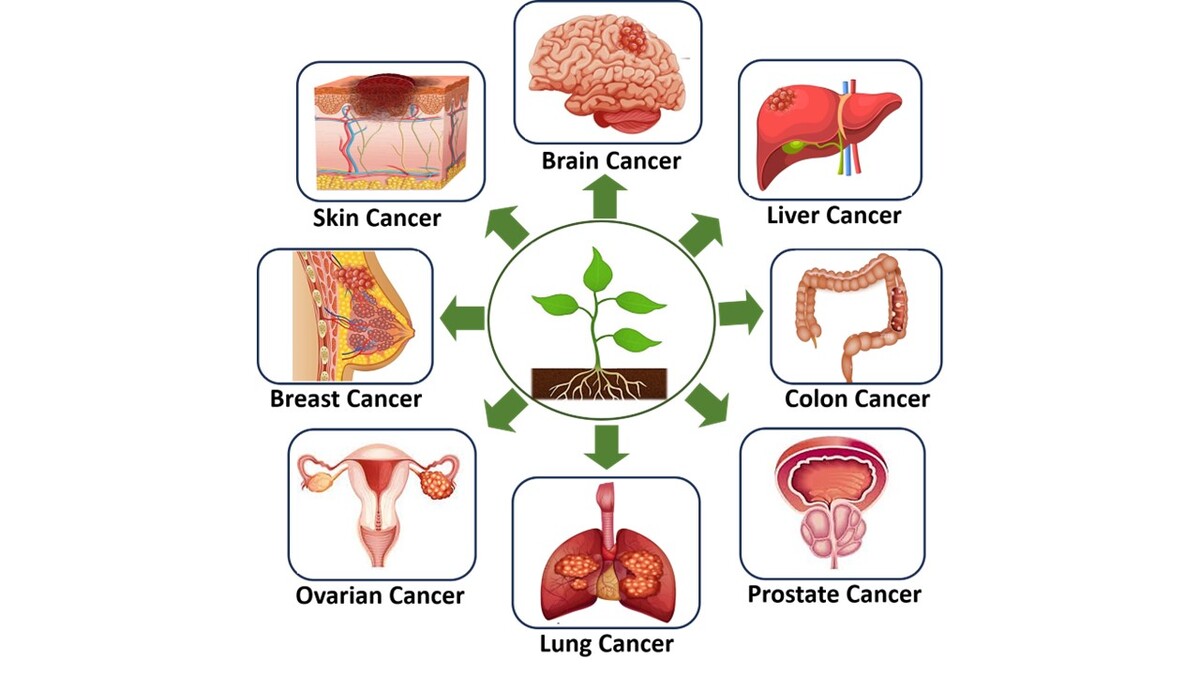
In recent decades, cancer has remained the leading cause of mortality globally. The increasing incidence of cancer and the rise in the mortality rate pose substantial challenges for effective management strategies. Currently, several chemotherapeutic agents, including cisplatin, doxorubicin, and gemcitabine, are routinely used as frontline treatment options for cancer. Although these agents exhibit initial efficacy during the early stages of tumor development, their widespread application in clinical settings is significantly limited by their lack of selectivity, high cost, and toxicity to normal tissues. Phytochemicals have been recognized as promising alternatives to address these limitations. Their remarkable anticancer efficacy is attributed to various distinct mechanisms. Additionally, they are cost-effective and relatively nontoxic, which represent a significant advantage over conventional treatment approaches. To date, only a few phytochemicals, including resveratrol, gingerol, curcumin, and epigallocatechin-3-gallate, have progressed to clinical application. However, the current array of these phytochemicals is inadequate to meet the increasing demand for novel medicines against cancer. Thus, ethnopharmacology has emerged as a promising avenue for discovering and developing novel anticancer drugs. Medicinal plants from the Indian subcontinent are a valuable resource of diverse phytochemicals, which have traditionally been used for treating several health conditions and diseases. However, the evaluation of potential of these phytochemicals as anticancer medicines has largely been limited to preliminary screening. Therefore, this review specifically explores potent anticancer plants native to the Indian subcontinent that are yet to undergo rigorous clinical validation. It includes 60 plants from 44 families and details their therapeutic targets in various malignant cancers. It also discusses the major challenges and potential prospects for their effective application in cancer treatment.
REFERENCES (164)
1.
Abu-rish EY, Kasabri V, Hudaib MM, Mashalla SH, AlAlawi LH, Tawaha K, Mohammad MK, Mohamed YS, Bustan-ji Y. 2016. Evaluation of antiproliferative activity of some traditional anticancer herbal remedies from Jordan. Trop J Pharm Res. 15: 469–474.
2.
Ahmad A, Sarkar SH, Aboukameel A, Ali S, Biersack B, Seibt S, Li Y, Bao B, Kong D, Banerjee S, Schobert R. 2012. Anticancer action of garcinol in vitro and in vivo is in part mediated through inhibition of STAT-3 signaling. Carcinogenesis. 33(12): 2450–2456.
3.
Ahmed J, Meinel T, Dunkel M, Murgueitio MS, Adams R, Blasse C, Eckert A, Preissner S, Preissner R. 2011. CancerResource: a comprehensive database of cancer-relevant proteins and compound interactions supported by experimental knowledge. Nucleic Acids Res. 39(Database issue): D960–D967. https://doi.org/10.3390/10.109....
4.
Aigbe FR, Sofidiya OM, James AB, Sowemimo AA, Akindere OK, Aliu MO, Dosunmu AA, Chijioke MC, Adeyemi OO. 2019. Evaluation of the toxicity potential of acute and sub-acute exposure to the aqueous root extract of Aristolochia ringens Vahl. (Aristolochiaceae). J Ethnopharmacol. 244: 112150. https://doi.org/10.1016/j.jep.....
5.
Akgun O, Akgun H, Sahin C, Celikler S, Ari F. 2022. Angelica sylvestris and Delphinium staphisagria extracts induce antiproliferation through caspase-mediated apoptosis on human cancer cells. Braz Arch Biol Technol. 65: e22210065. https://doi.org/10.1590/1678-4....
6.
Akindele AJ, Wani Z, Mahajan G, Sharma S, Aigbe FR, Satti N, Adeyemi OO, Mondhe DM. 2015. Anticancer activity of Aristolochia ringens Vahl. (Aristolochiaceae). J Tradit Complement Med. 5: 35–41.
7.
Al Ghalban FM, Khan AA, Khattak MNK. 2021. Comparative anticancer activities of Ficus carica and Ficus salicifolia latex in MDA-MB-231 cells. Saudi J Biol Sci. 28: 3225–3234.
8.
Alehaideb Z, AlGhamdi S, Yahya WB, Al-Eidi H, Alharbi M, Alaujan M, Albaz A, Tukruni M, Nehdi A, Abdulla MH, et al. 2020. Anti-proliferative and pro-apoptotic effects of Calligonum comosum (L’Hér.) methanolic extract in human triple-negative MDA-MB-231 breast cancer cells. J Evid Based Integr Med. 25: 2515690X20978391. https://doi.org/10.1177/251569....
9.
Alothman EA, Awaad AS, Al-Qurayn NA, Al-Kanhal HF, El-Meligy RM, Zain YM, Alasmary FA, Alqasoumi SI. 2018. Anticancer effect of Cenchrus ciliaris L. Saudi Pharm J. 26: 952–955.
10.
Al-Saily HM, Al-Halbosiy MM, Al-Hady FN. 2018. Cytotoxic and apoptotic effects of phenolic extract of Hibiscus rosa-sinensis Linn flowers against cancer cells and normal cells. Indian J Public Health Res Dev. 9: 188–192.
11.
Anand U, Dey A, Chandel AKS, Sanyal R, Mishra A, Pandey DK, De Falco V, Upadhyay A, Kandimalla R, Chaudhary A, et al. 2023. Cancer chemotherapy and beyond: current status, drug candidates, associated risks and progress in targeted therapeutics. Genes Dis. 10: 1367–1401.
12.
Araujo NMP, Pereira GA, Arruda HS, Prado LG, Ruiz ALTG, Eberlin MN, de Castro RJS, Pastore GM. 2019. Enzymatic treatment improves the antioxidant and antiproliferative activities of Adenanthera pavonina L. seeds. Biocatal Agric Biotechnol. 18: 101002. https://doi.org/10.1016/j.bcab....
13.
Artun T, Karagoz A, Ozcan G, Melikoglu G, Anil S, Kultur S, Sutlupinar N. 2016. In vitro anticancer and cytotoxic activities of some plant extracts on HeLa and Vero cell lines. J BUON. 21: 720–725.
14.
Arya RK, Singh A, Yadav NK, Cheruvu SH, Hossain Z, Meena S, Maheshwari S, Singh AK, Shahab U, Sharma C, et al. 2015. Anti-breast tumor activity of Eclipta extract in-vitro and in-vivo: novel evidence of endoplasmic reticulum specific localization of Hsp60 during apoptosis. Sci Rep. 5: 18457. https://doi.org/10.1038/srep18....
15.
Asare GA, Afriyie D, Ngala RA, Abutiate H, Doku D, Mahmood SA, Rahman H. 2015. Antiproliferative activity of aqueous leaf extract of Annona muricata L. on the prostate, BPH-1 cells, and some target genes. Integr Cancer Ther. 14: 65–74.
16.
Attar UA, Ghane SG. 2018. Optimized extraction of anti-cancer compound–cucurbitacin I and LC–MS identification of major metabolites from wild bottle gourd (Lagenaria siceraria (Molina) Standl.). S Afr J Bot. 119: 181–187.
17.
Attar UA, Ghane SG. 2019. In vitro antioxidant, antidiabetic, antiacetylcholine esterase, anticancer activities and RP-HPLC analysis of phenolics from the wild bottle gourd (Lagenaria siceraria (Molina) Standl.). S Afr J Bot. 125: 360–370.
18.
Banerjee P, Castellanos MR, Debata PR, Szerszen A, Research Foundation of City University of New York, Feinstein Institute for Medical Research. 2016. Activity enhancing curcumin compositions and methods of use. U.S. Patent Application 15/038,385.
19.
Bano Z, Begum S, Ali SS, Kiran Z, Siddiqui BS, Ahmed A, Khawaja S, Fatima F, Jabeen A. 2022. Phytochemicals from Carissa carandas with potent cytotoxic and anti-inflammatory activities. Nat Prod Res. 36: 1587–1592.
20.
Bassong TR, Kenmogne LV, Awounfack CF, Ndinteh DT, Njamen D, Zingue S. 2022. Effects of Hibiscus sabdariffa calyxes aqueous extract on antioxidant status and histopathology in mammary tumor-induced in rats. Evid Based Complement Alternat Med. 2022: 9872788. https://doi.org/10.1155/2022/9....
21.
Bona M. 2013. An overview to Centaurea (Asteraceae) based on herbarium specimens of ISTE. J Fac Pharm İstanbul Univ. 43: 121–137.
22.
Bousfiha A, Mejrhit N, Azdad O, El Kabbaoui M, Chda A, Tazi A, Bencheikh R, Aarab L. 2016. Immunomodulating properties of protein fractions isolated from Delphinium staphisagria seeds. J Med Plant Res. 10: 29–34.
23.
Bukke AN, Hadi FN, Babu KS. 2018. In vitro studies data on anticancer activity of Caesalpinia sappan L. heartwood and leaf extracts on MCF7 and A549 cell lines. Data Brief. 19: 868–877.
24.
Cavalier H, Trasande L, Porta M. 2023. Exposures to pesticides and risk of cancer: evaluation of recent epidemiological evidence in humans and paths forward. Int J Cancer. 152: 879–912.
25.
Chakraborty P, Sasi S, Nair AA, Anjum N, Tripathi YC. 2017. Medicinal applications, phytochemistry and pharmacology of Hymenodictyon excelsum (Roxb.) Wall: a review. Org Med Chem Int J. 2: 60–64.
26.
Chandra S, Gahlot M, Choudhary AN, Palai S, de Almeida RS, de Vasconcelos JEL, dos Santos FAV, de Farias PAM, Coutinho HDM. 2023. Scientific evidences of anticancer potential of medicinal plants. Food Chem Adv. 2: 100239. https://doi.org/10.1016/j.foch....
27.
Chandrashekar KR, Prabhu A, Rekha PD. 2019. Tetrandrine isolated from Cyclea peltata induces cytotoxicity and apoptosis through ROS and caspase pathways in breast and pancreatic cancer cells. In Vitro Cell Dev Biol Anim. 55: 331–340.
28.
Chauhan R, D’Souza HL, Shabnam RS, Abraham J. 2015. Phytochemical and cytotoxicity analysis of seeds and leaves of Adenanthera pavonina. Res J Pharm Technol. 8: 198–203.
29.
Chekdaengphanao P, Jaiseri D, Sriraj P, Aukkanimart R, Prathumtet J, Udonsan P, Boonmars T. 2022. Anticancer activity of Terminalia chebula, Terminalia bellirica, and Phyllanthus emblica extracts on cholangiocarcinoma cell proliferation and induction of apoptosis. J Herb Med. 35: 100582. https://doi.org/10.1016/j.herm....
30.
Chen SL, Yu H, Luo HM, Wu Q, Li CF, Steinmetz A. 2016. Conservation and sustainable use of medicinal plants: problems, progress, and prospects. Chin Med. 11: 37. https://doi.org/10.1186/s13020....
31.
Choudhari AS, Mandave PC, Deshpande M, Ranjekar P, Prakash O. 2020. Phytochemicals in cancer treatment: from preclinical studies to clinical practice. Front Pharmacol. 10: 1614. https://doi.org/10.3389/fphar.....
32.
Colak DK, Egeli U, Eryilmaz IE, Aybastier O, Malyer H, Cecener G, Tunca B. 2022. The anticancer effect of Inula viscosa methanol extract by miRNAs’ re-regulation: an in vitro study on human malignant melanoma cells. Nutr Cancer. 74: 211–224.
33.
Csupor D, Widowitz U, Blazsó G, Laczkó-Zöld E, Tatsimo JS, Balogh Á, Boros K, Dankó B, Bauer R, Hohmann J. 2013. Anti-inflammatory activities of eleven Centaurea species occurring in the Carpathian Basin. Phytother Res. 27: 540–544.
34.
Desai AG, Qazi GN, Ganju RK, El-Tamer M, Singh J, Saxena AK, Bedi YS, Taneja SC, Bhat HK. 2008. Medicinal plants and cancer chemoprevention. Curr Drug Metab 9(7): 581–591.
35.
De Souza LS, Puziol LC, Tosta CL, Bittencourt ML, Santa Ardisson J, Kitagawa RR, Filgueiras PR, Kuster RM. 2019. Analytical methods to access the chemical composition of an Euphorbia tirucalli anticancer latex from traditional Brazilian medicine. J Ethnopharmacol. 237: 255–265.
36.
De D, Panda SK, Ghosh U. 2023. Induction of apoptosis by ethanolic extract of leaf of Dillenia pentagyna Roxb. in A549 cells via NF-kB pathway. Phytomedicine Plus 3: 100368. https://doi.org/10.1016/j.phyp....
37.
Dehelean CA, Marcovici I, Soica C, Mioc M, Coricovac D, Iurciuc S, Cretu OM, Pinzaru I. 2021. Plant-derived anticancer compounds as new perspectives in drug discovery and alternative therapy. Molecules. 26: 1109. https://doi.org/10.3390/molecu....
38.
Deo SVS, Sharma J, Kumar S. 2022. GLOBOCAN 2020 report on global cancer burden: challenges and opportunities for surgical oncologists. Ann Surg Oncol. 29: 6497–6500.
39.
El Yaagoubi OM, Lahmadi A, Bouyahya A, Filali H, Samaki H, El Antri S, Aboudkhil S. 2021. Antitumor effect of Inula viscosa extracts on DMBA-induced skin carcinoma are mediated by proteasome inhibition. Biomed Res Int. 2021: 6687589. https://doi.org/10.1155/2021/6....
40.
Fatima N, Baqri SSR, Alsulimani A, Fagoonee S, Slama P, Kesari KK, Roychoudhury S, Haque S. 2021. Phytochemicals from Indian ethnomedicines: promising prospects for the management of oxidative stress and cancer. Antioxidants. 10: 1606. https://doi.org/10.3390/antiox....
41.
Ferlay J, Ervik M, Lam F, Colombet M, Mery L, Piñeros M, Znaor A, Soerjomataram I, Bray F. 2020. Global cancer observatory: cancer today. Lyon: International Agency for Research on Cancer.
42.
Ferreira LG, Dos Santos RN, Oliva G, Andricopulo AD. 2015. Molecular docking and structure-based drug design strategies. Molecules. 20: 13384–13421.
43.
Gaidhani SN, Singh A, Kumari S, Lavekar GS, Juvekar AS, Sen S, Padhi MM. 2013. Evaluation of some plant extracts for standardization and anticancer activity. Indian J Tradit Knowl. 12: 682–687.
44.
Gajarmal AA, Shantilal MS, Rath S. 2020. Ayurveda herbs in the flora of Punjab (India) with special reference to Bhavprakasha Nighantu – a review. J Phytopharmacol. 9: 67–75.
45.
Gallo K, Kemmler E, Goede A, Becker F, Dunkel M, Preissner R, Banerjee P. 2023. SuperNatural 3.0 – a database of natural products and natural product-based derivatives. Nucleic Acids Res. 51: D654–D659.
46.
Gavamukulya Y, Abou-Elella F, Wamunyokoli F, El-Shemy HA. 2014. Phytochemical screening, anti-oxidant activity and in vitro anticancer potential of ethanolic and water leaves extracts of Annona muricata (Graviola). Asian Pac J Trop Med. 7: S355–S363. https://doi.org/10.1016/S1995-....
47.
Ghagane SC, Puranik SI, Kumbar VM, Nerli RB, Jalalpure SS, Hiremath MB, Neelagund S, Aladakatti R. 2017. In vitro antioxidant and anticancer activity of Leea indica leaf extracts on human prostate cancer cell lines. Integr Med Res. 6: 79–87.
48.
Ginting B, Yahya M, Nurdin, Maulidna M, Murniana M, Safrina S. 2021. Evaluation of antioxidant and anticancer activity of Myristica fragrans Houtt. bark. Pharmacogn J. 13: 780–786.
49.
Gospodinova Z, Bózsity N, Nikolova M, Krasteva M, Zupkó I. 2017a. Antiproliferative properties against human breast, cervical and ovarian cancer cell lines, and antioxidant capacity of leaf aqueous ethanolic extract from Cotinus coggygria Scop. Acta Med Bulg. 44: 20–25.
50.
Gospodinova Z, Krasteva M, Manova V. 2017b. Effects of Cotinus coggygria extract on the transcriptional levels of histone deacetylase genes in breast cancer cells in vitro. Am J Pharm Health Res. 5: 60–69.
51.
Gospodinova ZI, Zupkó I, Bózsity N, Manova VI, Georgieva MS, Todinova SJ, Taneva SG, Ocsovszki I, Krasteva ME. 2021. Cotinus coggygria Scop. induces cell cycle arrest, apoptosis, genotoxic effects, thermodynamic and epigenetic events in MCF7 breast cancer cells. Z Naturforsch. 76: 129–140.
52.
Guchhait KC, Manna T, Barai M, Karmakar M, Nandi SK, Jana D, Dey A, Panda S, Raul P, Patra A, et al. 2022. Antibiofilm and anticancer activities of unripe and ripe Azadirachta indica (neem) seed extracts. BMC Complement Med Ther. 22: 1–18.
53.
Gupta N, Singh S, Chauhan D, Srivastava R, Singh VK. 2023. Exploring the anticancer potentials of polyphenols: a comprehensive review of patents in the last five years. Recent Pat Anticancer Drug Discov. 18: 3–10.
54.
Hossain MJ, Biswas S, Shahriar M, Chowdhury MM, Islam S, Ahsan CR, Auther C. 2018. Phytochemical screening, antimicrobial activity, antioxidant capacity and in vivo anticancer activity of Lannea coromandelica bark extracts. IOSR J Pharm Biol Sci. 13: 19–25.
55.
Hussain N. 2020. Anticancer and antioxidant activities of Cordia dichotoma Forst. Int J Green Pharm. 14: 265–273.
56.
Ibrahim MA, Cantrell CL, Jeliazkova EA, Astatkie T, Zheljazkov VD. 2020. Utilization of nutmeg (Myristica fragrans Houtt.) seed hydrodistillation time to produce essential oil fractions with varied compositions and pharmacological effects. Molecules 25: 565. https://doi.org/10.3390/molecu....
57.
Iliev I, Todorova K, Dimitrova M, Ivanov I. 2020. Effects of a Cotinus coggygria ethyl acetate extract on two human normal cell lines. Acta Morphol Anthropol. 27: 25–29.
58.
Ingle SG, Gade AK, Hedawoo GB. 2024. Systematic review on phytochemicals structure and activity databases. Phytomedicine Plus 4: 100644. https://doi.org/10.1016/j.phyp....
59.
Jaiswal YS, Williams LL. 2017. A glimpse of Ayurveda – the forgotten history and principles of Indian traditional medicine. J Tradit Complement Med. 7: 50–53.
60.
Jarial R, Thakur S, Sakinah M, Zularisam AW, Sharad A, Kanwar SS, Singh L. 2018. Potent anticancer, antioxidant and antibacterial activities of isolated flavonoids from Asplenium nidus. J King Saud Univ Sci. 30: 185–192.
61.
Kalaivani S, Jayanthi S, Revathi K, Chandrasekaran R. 2024. Phytochemical profile of Euphorbia hirta plant extract and its in vitro anticancer activity against the liver cancer HepG2 cells. Vegetos. 37: 528–535.
62.
Kashif M, Hwang Y, Kim WJ, Kim G. 2019. In-vitro morphological assessment of apoptosis induced by nimbolide; a limonoid from Azadirachta indica (neem tree). Iran J Pharm Res. 18: 846–859.
63.
Kaur A, Singh G, Sharma Y, Kumar M, Kumar A, Bala K. 2024. Assessing the potential of rosary pea (Abrus precatorius L.) derived aqueous seed extracts as anticancer agents and their phytoconstituents as COX-2 inhibitor: an in-vitro and in-silico approach. J Biomol Struct Dyn. 42: 9269–9282.
64.
Khairunnisa K, Karthik D. 2014. Evaluation of in-vitro apoptosis induction, cytotoxic activity of Hymenodictyon excelsum (Roxb.) Wall. in Dalton’s lymphoma ascites (DLA) and lung fibroblast-mouse L929 cell lines. J Appl Pharm Sci. 4: 011–017. https://doi.org/10.7324/JAPS.2....
65.
Kinghorn AD, De Blanco EJC, Lucas DM, Rakotondraibe HL, Orjala J, Soejarto DD, Oberlies NH, Pearce CJ, Wani MC, Stockwell BR, et al. 2016. Discovery of anticancer agents of diverse natural origin. Anticancer Res. 36: 5623–5637.
66.
Kitdamrongtham W, Ishii K, Ebina K, Zhang J, Ukiya M, Koike K, Akazawa H, Manosroi A, Manosroi J, Akihisa T. 2014. Limonoids and flavonoids from the flowers of Azadirachta indica var. siamensis, and their melanogenesis-inhibitory and cytotoxic activities. Chem Biodivers. 11: 73–84.
67.
Kopytko P, Piotrowska K, Janisiak J, Tarnowski M. 2021. Garcinol – a natural histone acetyltransferase inhibitor and new anti-cancer epigenetic drug. Int J Mol Sci. 22: 2828. https://doi.org/10.3390/ijms22....
68.
Koul B, Koul B. 2019. Role of Ayurveda in cancer treatment. In: Herbs for Cancer Treatment. Springer, Singapore; p. 151–191.
69.
Kour N, Qayum A, Lone BA, Singh SK, Sharma V, Gupta P. 2024. A novel carissic acid from fruits of Carissa carandas induced apoptotic cell death in A-549 cells following the activation of caspases. Nat Prod Res. 38: 1887–1897.
70.
Krishnan HB, Kim S, Pereira AE, Jurkevich A, Hibbard BE. 2022. Adenanthera pavonina, a potential plant-based protein resource: seed protein composition and immunohistochemical localization of trypsin inhibitors. Food Chem X. 13: 100253. https://doi.org/10.1016/j.foch....
71.
Kumar S, Baldi A, Sharma DK. 2021. In vitro antioxidant assay guided ex vivo investigation of cytotoxic effect of phytosomes assimilating taxifolin rich fraction of Cedrus deodara bark extract on human breast cancer cell lines (MCF7). J Drug Deliv Sci Technol. 63: 102486. https://doi.org/10.1016/j.jdds....
72.
Kumar S, Malhotra R, Kumar D. 2010. Euphorbia hirta: its chemistry, traditional and medicinal uses, and pharmacological activities. Pharmacogn Rev. 4: 58–61.
73.
Kumari S. 2022. Investigating the antioxidant and anticancer effect of alkaloids isolated from root extracts of Berberis aristata. Chem Data Collect. 37: 100805. https://doi.org/10.1016/j.cdc.....
74.
Lagoa R, Silva J, Rodrigues JR, Bishayee A. 2020. Advances in phytochemical delivery systems for improved anticancer activity. Biotechnol Adv. 38: 107382. https://doi.org/10.1016/j.biot....
75.
Laskar YB, Mazumder PB. 2020. Insight into the molecular evidence supporting the remarkable chemotherapeutic potential of Hibiscus sabdariffa L. Biomed Pharmacother. 127: 110153. https://doi.org/10.1016/j.biop....
76.
Lautié E, Russo O, Ducrot P, Boutin JA. 2020. Unraveling plant natural chemical diversity for drug discovery purposes. Front Pharmacol. 11: 397. https://doi.org/10.3389/fphar.....
77.
Li CQ, Lei HM, Hu QY, Li GH, Zhao PJ. 2021. Recent advances in the synthetic biology of natural drugs. Front Bioeng Biotechnol. 9: 691152. https://doi.org/10.3389/fbioe.....
78.
Li F, Jiang T, Li Q, Ling X. 2017. Camptothecin (CPT) and its derivatives are known to target topoisomerase I (Top1) as their mechanism of action: did we miss something in CPT analogue molecular targets for treating human disease such as cancer? Am J Cancer Res. 7: 2350–2394.
79.
Lim SH, Lee HS, Lee CH, Choi CI. 2021. Pharmacological activity of Garcinia indica (Kokum): an updated review. Pharmaceuticals 14: 1338. https://doi.org/10.3390/ph1412....
80.
Liu WC, Gong T, Zhu P. 2016. Advances in exploring alternative Taxol sources. RSC Adv. 6: 48800–48809.
81.
Liu X, Zhao M, Wu K, Chai X, Yu H, Tao Z, Wang J. 2012. Immunomodulatory and anticancer activities of phenolics from emblica fruit (Phyllanthus emblica L.). Food Chem. 131: 685–690.
82.
Liu Y, Jiang J, Zhang Z, Huang Q, Chen L, Huang Y, Zou X, Nie Y, Liu M, Zheng Y. 2024. Exploring the efficacy of Phyllanthus emblica L. based on association rule mining and multidimensional analysis. CyTA J Food. 22: 2293920. https://doi.org/10.1080/194763....
83.
Mahata S, Pandey A, Shukla S, Tyagi A, Husain SA, Das BC, Bharti AC. 2013. Anticancer activity of Phyllanthus emblica Linn. (Indian gooseberry): inhibition of transcription factor AP-1 and HPV gene expression in cervical cancer cells. Nutr Cancer. 65: 88–97.
84.
Mangal M, Sagar P, Singh H, Raghava GP, Agarwal SM. 2013. NPACT: naturally occurring plant-based anti-cancer compound-activity-target database. Nucleic Acids Res. 41: D1124–D1129.
85.
Manglani N, Vaishnava S, Dhamodaran P, Sawarkar H. 2014. In vitro and in vivo anticancer activity of leaf extract of Barleria grandiflora. Int J Pharm Pharm Res. 6: 70–72.
86.
Mani ST, Rathinavel T, Ammashi S, Nasir Iqbal M. 2024. Polycyclic aromatic bioactive compounds from Eclipta alba and its anticancer potential against breast cancer target proteins: an antibreast cancer intervention through in silico and in vitro validations. Polycycl Aromat Compd. 44: 3313–3342.
87.
Mazumder K, Biswas B, Raja IM, Fukase K. 2020. A review of cytotoxic plants of the Indian subcontinent and a broad-spectrum analysis of their bioactive compounds. Molecules. 25: 1904. https://doi.org/10.3390/molecu....
88.
Meetei PA, Singh P, Nongdam P, Prabhu NP, Rathore RS, Vindal V. 2012. NeMedPlant: a database of therapeutic applications and chemical constituents of medicinal plants from north-east region of India. Bioinformation 8: 209–211.
89.
Merlín-Lucas V, Ordoñez-Razo RM, Calzada F, Solís A, García-Hernández N, Barbosa E, Valdés M. 2021. Antitumor potential of Annona muricata Linn. an edible and medicinal plant in Mexico: in vitro, in vivo, and toxicological studies. Molecules 26: 7675. https://doi.org/10.3390/molecu....
90.
Mishra BA, Tomer V, Kumar A. 2024. Karonda (Carissa carandas L.): a miracle fruit with multifaceted potential. J Agric Food Res. 18: 101417. https://doi.org/10.1016/j.jafr....
91.
Moore BD, Andrew RL, Külheim C, Foley WJ. 2014. Explaining intraspecific diversity in plant secondary metabolites in an ecological context. New Phytol. 201: 733–750.
92.
Munro B, Vuong QV, Chalmers AC, Goldsmith CD, Bowyer MC, Scarlett CJ. 2015. Phytochemical, antioxidant and anti-cancer properties of Euphorbia tirucalli methanolic and aqueous extracts. Antioxidants. 4: 647–661.
93.
Mustafa K, Yu S, Zhang W, Mohamed H, Naz T, Xiao H, Liu Y, Nazir Y, Fazili ABA, Nosheen S, et al. 2021. Screening, characterization, and in vitro-ROS dependent cytotoxic potential of extract from Ficus carica against hepatocellular (HepG2) carcinoma cells. S Afr J Bot. 138: 217–226.
94.
Naselli F, Tesoriere L, Caradonna F, Bellavia D, Attanzio A, Gentile C, Livrea MA. 2014. Anti-proliferative and pro-apoptotic activity of whole extract and isolated indicaxanthin from Opuntia ficus-indica associated with re-activation of the onco-suppressor p16INK4a gene in human colorectal carcinoma (Caco-2) cells. Biochem Biophys Res Commun. 450: 652–658.
95.
Neipihoi, Narzary B, Saikia S, Saikia S, Tamuli KJ, Sahoo RK, Dutta D, Bordoloi M. 2021. Anticancer and antimicrobial compounds from Croton caudatus Gieseler and Eurya acuminata DC: two edible plants used in the traditional medicine of the Kuki tribes. Nat Prod Res. 35: 6025–6029.
96.
Nelson VK, Sahoo NK, Sahu M, Sudhan HH, Pullaiah CP, Muralikrishna KS. 2020. In vitro anticancer activity of Eclipta alba whole plant extract on colon cancer cell HCT-116. BMC Complement Med Ther. 20: 355. https://doi.org/10.1186/s12906....
97.
Neo SY, Siew YY, Yew HC, He Y, Poh KL, Tsai YC, Ng SL, Tan WX, Chong TI, Lim CSES, et al. 2023. Effects of Leea indica leaf extracts and its phytoconstituents on natural killer cell-mediated cytotoxicity in human ovarian cancer. BMC Complement Med Ther. 23: 79. https://doi.org/10.1186/s12906....
98.
Newman DJ, Cragg GM. 2020. Natural products as sources of new drugs over the nearly four decades from 01/1981 to 09/2019. J Nat Prod. 83: 770–803.
99.
Okoro EE, Maharjan R, Jabeen A, Ahmad MS, Azhar M, Shehla N, Zaman W, Shams S, Osoniyi OR, Onajobi FD, et al. 2021. Isoflavanquinones from Abrus precatorius roots with their antiproliferative and anti-inflammatory effects. Phytochemistry 187: 112743. https://doi.org/10.1016/j.phyt....
100.
Ozcan G, Dagdeviren Ozsoylemez O, Akman G, Khalilia W, Tezel BY, Karagoz A, Melikoglu G, Anil S, Kultur S, Sutlupinar N. 2016. Screening for antitumor activity of various plant extracts on HeLa and C4-I cell lines. J BUON. 21: 1552–1560.
101.
Pai KSR, Srilatha P, Suryakant K, Setty MM, Nayak PG, Rao CM, Baliga MS. 2012. Anticancer activity of Berberis aristata in Ehrlich ascites carcinoma-bearing mice: a preliminary study. Pharm Biol. 50: 270–277.
102.
Pandey MM, Rastogi S, Rawat AKS. 2013. Indian traditional ayurvedic system of medicine and nutritional supplementation. Evid Based Complement Alternat Med. 2013: 376327. https://doi.org/10.1155/2013/3....
103.
Pathania S, Ramakrishnan SM, Bagler G. 2015. Phytochemica: a platform to explore phytochemicals of medicinal plants. Database 2015: bav075. https://doi.org/10.1093/databa....
104.
Potshangbam AM, Polavarapu R, Rathore RS, Naresh D, Prabhu NP, Potshangbam N, Kumar P, Vindal V. 2019. MedPServer: a database for identification of therapeutic targets and novel leads pertaining to natural products. Chem Biol Drug Des. 93: 438–446.
105.
Prasathkumar M, Anisha S, Dhrisya C, Becky R, Sadhasivam S. 2021. Therapeutic and pharmacological efficacy of selective Indian medicinal plants – a review. Phytomedicine Plus 1: 100029. https://doi.org/10.1016/j.phyp....
106.
Raaman N, Balasubramanian K. 2012. Antioxidant and anticancer activity of Helicteres isora dried fruit solvent extracts. J Acad Ind Res. 1: 148–152.
107.
Radha MH, Laxmipriya NP. 2015. Evaluation of biological properties and clinical effectiveness of Aloe vera: a systematic review. J Tradit Complement Med. 5: 21–26.
108.
Raghuvanshi D, Dhalaria R, Sharma A, Kumar D, Kumar H, Valis M, Kuča K, Verma R, Puri S. 2021. Ethnomedicinal plants traditionally used for the treatment of jaundice (icterus) in Himachal Pradesh in Western Himalaya – a review. Plants 10: 232. https://doi.org/10.3390/plants....
109.
Raghuvanshi D, Sharma K, Verma R, Kumar D, Kumar H, Khan A, Valko M, Alomar SY, Alwasel SH, Nepovimova E, Kuca K. 2022. Phytochemistry and pharmacological efficacy of Cordia dichotoma G. Forst. (Lashuda): a therapeutic medicinal plant of Himachal Pradesh. Biomed Pharmacother. 153: 113400. https://doi.org/10.1016/j.biop....
110.
Rahman MM. 2015. Evaluation of Hymenodictyon excelsum phytochemical’s therapeutic value against prostate cancer by molecular docking study. Jundishapur J Nat Pharm Prod. 10: e18216. https://doi.org/10.17795/jjnpp....
111.
Raina S, Sharma V, Sheikh ZN, Kour N, Singh SK, Zari A, Zari TA, Alharby HF, Hakeem KR. 2022. Anticancer activity of Cordia dichotoma against a panel of human cancer cell lines and their phytochemical profiling via HPLC and GCMS. Molecules. 27: 2185. https://doi.org/10.3390/molecu....
112.
Rasul HO, Aziz BK, Ghafour DD, Kivrak A. 2023. Screening the possible anti-cancer constituents of Hibiscus rosa-sinensis flower to address mammalian target of rapamycin: an in silico molecular docking, HYDE scoring, dynamic studies, and pharmacokinetic prediction. Mol Divers. 27: 2273–2296.
113.
Rattanamaneerusmee A, Thirapanmethee K, Nakamura Y, Bongcheewin B, Chomnawang MT. 2018. Chemopreventive and biological activities of Helicteres isora L. fruit extracts. Res Pharm Sci. 13: 484–492.
114.
Ravishankar B, Shukla VJ. 2007. Indian systems of medicine: a brief profile. Afr J Tradit Complement Altern Med. 4: 319–337.
115.
Reddy S, Subedi B, Guite N. 2023. Introduction: ethnomedicine and tribal healing practices in India: challenges and possibilities of recognition and integration. In: Ethnomedicine and Tribal Healing Practices in India: Challenges and Possibilities of Recognition and Integration. p. 1–31.
116.
Regassa H, Sourirajan A, Kumar V, Pandey S, Kumar D, Dev K. 2022. A review of medicinal plants of the Himalayas with anti-proliferative activity for the treatment of various cancers. Cancers. 14: 3898. https://doi.org/10.3390/cancer....
117.
Rengasamy G, Venkataraman A, Veeraraghavan VP, Jainu M. 2018. Cytotoxic and apoptotic potential of Myristica fragrans Houtt. (mace) extract on human oral epidermal carcinoma KB cell lines. Braz J Pharm Sci. 54: e18028. https://doi.org/10.1590/s2175-....
118.
Rosangkima G, Jagetia GC. 2015. In vitro anticancer screening of medicinal plants of Mizoram State, India, against Dalton’s lymphoma, MCF-7 and HeLa cells. Int J Recent Sci Res. 6: 5648–5653.
119.
Rosangkima G, Rongpi T, Prasad SB. 2008. Role of glutathione and glutathione-related enzymes in the antitumor activity of Dillenia pentagyna in Dalton’s lymphoma-bearing mice. Int J Cancer Res. 4: 92–102.
120.
Saeed W, Ismail T, Qamar M, Khan MZ, Ahmad N, Mubarak MS, Esatbeyoglu T. 2024. Carissa carandas: a multi-faceted approach to health, wellness, and commerce. J Agric Food Res. 18: 101274. https://doi.org/10.1016/j.jafr....
121.
Sak K. 2022. Anticancer action of plant products: changing stereotyped attitudes. Explor Target Antitumor Ther. 3: 423–427.
122.
Sathishkumar K, Chaturvedi M, Das P, Stephen S, Mathur P. 2022. Cancer incidence estimates for 2022 & projection for 2025: result from National Cancer Registry Programme, India. Indian J Med Res. 156: 598–607.
123.
Shaikh R, Pund M, Dawane A, Iliyas S. 2014. Evaluation of anticancer, antioxidant, and possible anti-inflammatory properties of selected medicinal plants used in Indian traditional medication. J Tradit Complement Med. 4: 253–257.
124.
Shalabi M, Khilo K, Zakaria MM, Elsebaei MG, Abdo W, Awadin W. 2015. Anticancer activity of Aloe vera and Calligonum comosum extracts separately on hepatocellular carcinoma cells. Asian Pac J Trop Biomed. 5: 375–381.
125.
Shehata MG, Abu-Serie MM, Abd El-Aziz NM, El-Sohaimy SA. 2021. Nutritional, phytochemical, and in vitro anticancer potential of sugar apple (Annona squamosa) fruits. Sci Rep. 11: 6224. https://doi.org/10.1038/s41598....
126.
Shehna S, Sreelekshmi S, Remani PR, Padmaja G, Lakshmi S. 2022. Anti-cancer, anti-bacterial and anti-oxidant properties of an active fraction isolated from Curcuma zedoaria rhizomes. Phytomedicine Plus. 2: 100195. https://doi.org/10.1016/j.phyp....
127.
Shen Y, Sun Z, Shi P, Wang G, Wu Y, Li S, Zheng Y, Huang L, Lin L, Lin X, et al. 2018. Anticancer effect of petroleum ether extract from Bidens pilosa L. and its constituent’s analysis by GC-MS. J Ethnopharmacol. 217: 126–133.
128.
Shi X, Du R, Zhang J, Lei Y, Guo H. 2019. Evaluation of the anti-cancer potential of Cedrus deodara total lignans by inducing apoptosis of A549 cells. BMC Complement Altern Med. 19: 281. 10.1186/s12906-019-2682-6.
129.
Shi Y, Zhang C, Li X. 2021. Traditional medicine in India. J Tradit Chin Med Sci. 8(Suppl 1): S51–S55. https://doi.org/10.1016/j.jtcm....
130.
Shimizu T, Torres MP, Chakraborty S, Souchek JJ, Rachagani S, Kaur S, Macha M, Ganti AK, Hauke RJ, Batra SK. 2013. Holy Basil leaf extract decreases tumorigenicity and metastasis of aggressive human pancreatic cancer cells in vitro and in vivo: potential role in therapy. Cancer Lett. 336: 270–280.
131.
Shine VJ, Latha PG, Suja SN, Anuja GI, Raj G, Rajasekharan SN. 2014. Ameliorative effect of alkaloid extract of Cyclea peltata (Poir.) Hook. f. & Thoms. roots (ACP) on APAP/CCl4 induced liver toxicity in Wistar rats and in vitro free radical scavenging property. Asian Pac J Trop Biomed. 4: 143–151.
132.
Silva VAO, Rosa MN, Tansini A, Oliveira RJ, Martinho O, Lima JP, Pianowski LF, Reis RM. 2018. In vitro screening of cytotoxic activity of euphol from Euphorbia tirucalli on a large panel of human cancer-derived cell lines. Exp Ther Med. 16: 557–566.
133.
Singh G, Passsari AK, Singh P, Leo VV, Subbarayan S, Kumar B, Singh BP, Lalhlenmawia H, Kumar NS. 2017a. Pharmacological potential of Bidens pilosa L. and determination of bioactive compounds using UHPLC-QqQ LIT-MS/MS and GC/MS. BMC Complement Altern Med. 17: 492. https://doi.org/10.1186/s12906....
134.
Singh S, Kamble SN, Satdive RK, Fulzele DP. 2020. Heterologous overexpression of Nothapodytes foetida strictosidine synthase enhances levels of anti-cancer compound camptothecin in Ophiorrhiza rugosa. Plant Cell Tissue Organ Cult. 141: 67–76.
135.
Singh VK, Arora D, Satija NK, Khare P, Roy SK, Sharma PK. 2017b. Intricatinol synergistically enhances the anticancerous activity of cisplatin in human A549 cells via p38 MAPK/p53 signalling. Apoptosis. 22: 1273–1286.
136.
Singh VK, Thakur DC, Rajak N, Mishra A, Kumar A, Giri R, Garg N. 2023. The multi-protein targeting potential of bioactive syringin in inflammatory diseases: using molecular modelling and in-silico analysis of regulatory elements. J Biomol Struct Dyn. 42: 1–12. https://doi.org/10.1080/073911....
137.
Sophy AJR, Fleming AT, Vidhya R, Shankar KG, Rajesh BN. 2016. Cytotoxicity assessment of Adenanthera pavonina extracts in brine shrimp larvae and cancer cell lines. Int J Vet Sci. 5: 83–86.
138.
Srivastava P, Srivastava A. 2015. In vitro anti-cancer activity of ethanolic extract of Curcuma longa (turmeric) in HEp-2 cell lines. Int J Eng Res Gen Sci. 3: 495–508.
139.
Srivastava SK, Khan M, Khanuja SPS; Council of Scientific and Industrial Research CSIR. 2005. Process for isolation of anticancer agent camptothecin from Nothapodytes foetida. U.S. Patent 6,893,668.
140.
Starok M, Preira P, Vayssade M, Haupt K, Salome L, Rossi C. 2015. EGFR inhibition by curcumin in cancer cells: a dual mode of action. Biomacromolecules. 16: 1634–1642.
141.
Su XZ, Miller LH. 2015. The discovery of artemisinin and the Nobel Prize in Physiology or Medicine. Sci China Life Sci. 58: 1175–1179.
142.
Sulaiman CT, Deepak M, Praveen TK, Lijini KR, Salman M, Sadheeshnakumari S, Balachandran I. 2023. Metabolite profiling and anti-cancer activity of two medicinally important Euphorbia species. Med Omics 7: 100018. https://doi.org/10.1016/j.meom....
143.
Sung H, Ferlay J, Siegel RL, Laversanne M, Soerjomataram I, Jemal A, Bray F. 2021. Global cancer statistics 2020: GLOBOCAN estimates of incidence and mortality worldwide for 36 cancers in 185 countries. CA Cancer J Clin. 71: 209–249.
144.
Takagi M, Tachi Y, Zhang J, Shinozaki T, Ishii K, Kikuchi T, Ukiya M, Banno N, Tokuda H, Akihisa T. 2014. Cytotoxic and melanogenesis-inhibitory activities of limonoids from the leaves of Azadirachta indica (Neem). Chem Biodivers. 11: 451–468.
145.
Tomar R, Das SS, Balaga VKR, Tambe S, Sahoo J, Rath SK, Ruokolainen J, Kesari KK. 2024. Therapeutic implications of dietary polyphenols-loaded nanoemulsions in cancer therapy. ACS Appl Bio Mater. 7: 2036–2053.
146.
Trivedi D, Jain P, Patel V, Kotasthane S, Das S. 2024. Herbal formulation: an Ayurvedic treatment for human diseases. In: Herbal Formulations, Phytochemistry and Pharmacognosy. Elsevier, p. 77–88.
147.
Usmani S, Ahmad M, Hussain A, Arshad M, Ali M. 2018. Cellular oxidative stress and antiproliferative effects of Cordia dichotoma (Linn.) seeds extract and their fractions on human cervix epitheloid (HeLa) and human lung (A549) carcinoma cells. Eur J Integr Med. 21: 1–10.
148.
Vallianou NG, Evangelopoulos A, Schizas N, Kazazis C. 2015. Potential anticancer properties and mechanisms of action of curcumin. Anticancer Res. 35: 645–651.
149.
Vikas B, Anil S, Remani P. 2019. Cytotoxicity profiling of Annona squamosa in cancer cell lines. Asian Pac J Cancer Prev. 20: 2831–2840.
150.
Virdis P, Marchesi I, Fiorentino FP, Migheli R, Sanna L, Bordoni V, Pintore G, Galleri G, Muroni MR, Bagella L, et al. 2021. Tomentosin a sesquiterpene lactone induces antiproliferative and proapoptotic effects in human Burkitt lymphoma by deregulation of anti- and pro-apoptotic genes. Life (Basel) 11: 1128. https://doi.org/10.3390/life11....
151.
Vivek-Ananth RP, Mohanraj K, Sahoo AK, Samal A. 2023. IMPPAT 2.0: an enhanced and expanded phytochemical atlas of Indian medicinal plants. ACS Omega. 8: 8827–8845.
152.
Wang G, Wang J, Du L, Li F. 2015. Effect and mechanism of total flavonoids extracted from Cotinus coggygria against glioblastoma cancer in vitro and in vivo. BioMed Res Int. 2015: 856349. https://doi.org/10.1155/2015/8....
153.
Wang J, Rani N, Jakhar S, Redhu R, Kumar S, Kumar S, Kumar S, Devi B, Simal-Gandara J, Shen B, Singla RK. 2023. Opuntia ficus-indica (L.) Mill. – anticancer properties and phytochemicals: current trends and future perspectives. Front Plant Sci. 14: 1236123. https://doi.org/10.3389/fpls.2....
154.
Wang X, Zhang H, Chen X. 2019. Drug resistance and combating drug resistance in cancer. Cancer Drug Resist. 2: 141–160.
155.
Weerapreeyakul N, Junhom C, Barusrux S, Thitimetharoch T. 2016. Induction of apoptosis in human hepatocellular carcinoma cells by extracts of Lannea coromandelica (Houtt.) Merr. and Diospyros castanea (Craib) Fletcher. Chin Med. 11: 19. https://doi.org/10.1186/s13020....
156.
Widodo N, Puspitarini S, Widyananda MH, Alamsyah A, Wicaksono ST, Masruri M, Jatmiko YD. 2022. Anticancer activity of Caesalpinia sappan by downregulating mitochondrial genes in A549 lung cancer cell line. Research 11: 169. https://doi.org/10.12688/f1000....
157.
Yan D, Zheng G, Wang C, Chen Z, Mao T, Gao J, Yan Y, Chen X, Ji X, Yu J, Mo S. 2022. HIT 2.0: an enhanced platform for Herbal Ingredients’ Targets. Nucleic Acids Res. 50: D1238–D1243.
158.
Yang D, Zhang X, Zhang W, Rengarajan T. 2018. Vicenin-2 inhibits Wnt/b-catenin signaling and induces apoptosis in HT-29 human colon cancer cell line. Drug Des Devel Ther. 12: 1303–1310.
159.
Yang L, Xie J, Almoallim HS, Alharbi SA, Chen Y. 2021. Tomentosin inhibits cell proliferation and induces apoptosis in MOLT-4 leukemia cancer cells through the inhibition of mTOR/PI3K/Akt signaling pathway. J Biochem Mol Toxicol. 35: 22719. https://doi.org/10.1002/jbt.22....
160.
Yen GC, Chen CS, Chang WT, Wu MF, Cheng FT, Shiau DK, Hsu CL. 2018. Antioxidant activity and anticancer effect of ethanolic and aqueous extracts of the roots of Ficus beecheyana and their phenolic components. J Food Drug Anal. 26: 182–192.
161.
Yi F, Li L, Xu LJ, Meng H, Dong YM, Liu HB, Xiao PG. 2018. In silico approach in reveal traditional medicine plants pharmacological material basis. Chin Med. 13: 33. https://doi.org/10.1186/s13020....
162.
Zahara K, Bibi Y, Masood S, Nisa S, Sher A, Ali N, Kumar S, Qayyum A, Ahmed W, Sami R, Al-Mushhin AA. 2022. Isolation and identification of bioactive compounds from Bidens spp. using HPLC-DAD and GC-MS analysis and their biological activity as anticancer molecules. Molecules. 27: 1927. https://doi.org/10.3390/molecu....
163.
Zhang RZ, Yu SJ, Bai H, Ning K. 2017. TCM-Mesh: the database and analytical system for network pharmacology analysis for TCM preparations. Sci Rep. 7: 2821. https://doi.org/10.1038/s41598....
164.
Zhang Y, Wan Y, Huo B, Li B, Jin Y, Hu X. 2018. Extracts and components of Ficus carica leaves suppress survival, cell cycle, and migration of triple-negative breast cancer MDA-MB-231 cells. OncoTargets Ther. 11: 4377–4386.
Share
RELATED ARTICLE
| eISSN: | 2353-9461 |
| ISSN: | 0860-7796 |

We process personal data collected when visiting the website. The function of obtaining information about users and their behavior is carried out by voluntarily entered information in forms and saving cookies in end devices. Data, including cookies, are used to provide services, improve the user experience and to analyze the traffic in accordance with the Privacy policy. Data are also collected and processed by Google Analytics tool (more).
You can change cookies settings in your browser. Restricted use of cookies in the browser configuration may affect some functionalities of the website.
You can change cookies settings in your browser. Restricted use of cookies in the browser configuration may affect some functionalities of the website.